
Sustainable Investing at Alphinity
We seek to invest in companies which have a net positive alignment to the United Nations Sustainable Development Goals, exceed Alphinity’s minimum ESG criteria, and offer attractive prospective returns.
We will not invest in companies which do not meet our exclusion criteria defined by the relevant Sustainable Fund Charter.
Features of our sustainable funds
Sustainability
An investable universe of companies that we believe have a net positive alignment with one or more of the 17 United Nations Sustainable Development Goals (SDGs) and exceed Alphinity’s minimum ESG criteria.
Exclusions
Exclusions from the investable universe, defined by the Fund Charter, for activities that we consider to be incongruent with the SDG’s.
Sustainable compliance committee
To assist with oversight and governance, including two external experts in ESG and Sustainability.
Stewardship
Active ownership including company engagement, proxy voting and thematic research.
Investment process
An established team with a disciplined process that finds high-quality businesses with strong earnings that are under appreciated by the market.
Video Overview
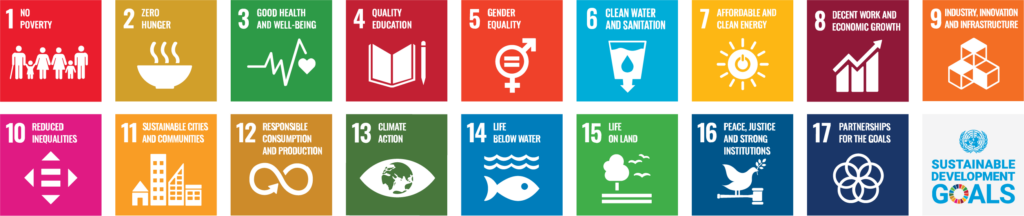
The Sustainable Development Goals (SDGs)
The United Nations Sustainable Development Goals (SDGs) are a set of 17 goals that were adopted at a UN summit in September 2015 and officially came into effect in January 2016. While the SDGs are not legally binding, governments are expected to implement national frameworks for the achievement of the 17 Goals. The goals aim to mobilise efforts to end all forms of poverty, fight inequalities and tackle climate change, while ensuring that no one is left behind. Click here to find out more.
Where We Stand
Below we outline our views on several sectors typically avoided in ethical investing.




Our Sustainable Funds
Alphinity Sustainable
Share Fund
A diversified portfolio of Australian stocks listed on the ASX that have a net positive alignment to the United Nations Sustainable Development Goals.
Alphinity Global Sustainable Equity Fund – Active ETF
(ASX: XASG)
Aims to provide consistent strong risk-adjusted returns across different market cycles.
Latest Insights
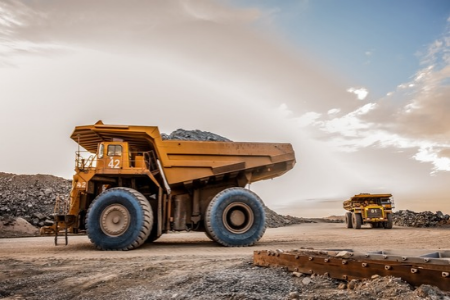
From the ground up: How we assess miners within our sustainable investing approach
Mined commodities are essential to modern life and the low-carbon transition, but their extraction can create significant environmental and social impacts. Alphinity explains how its bottom-up framework assesses what companies mine, how those commodities are used and how effectively operational risks are managed.

Does it fit? A tailored approach to sustainable investing in the apparel industry
The apparel industry sits at an uncomfortable intersection of social necessity and environmental harm. Clothing is a basic human right, explicitly recognised in Article 25 of the UN’s Universal Declaration of Human Rights. Yet, the way the global fashion industry produces and sells clothing makes it one of the most resource-intensive sectors on earth, and one where human rights risks, from poor minimum wages to forced labour, remain persistent and material.
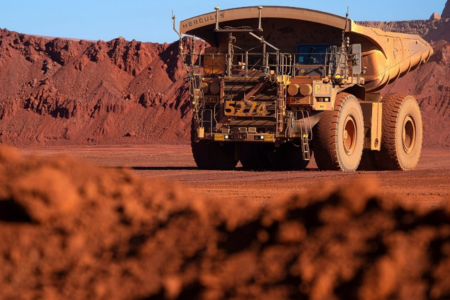
What we did when BHP’s decarbonisation story turned negative
Last month, BHP made it onto the front page for the wrong reasons. A Four Corners story, followed by Guardian coverage, raised questions about whether BHP was quietly walking back its emissions commitments. For us, that was a moment to pause and ask: does this change our view? So we refreshed our work BHP is […]
Podcast: Roadmap to defence investing
In this episode of FS Sustainability’s The Greener Way podcast, Jessica Cairns unpacks what a “roadmap” to defence investing actually looks like today.
Supporting Documents
Download our 2024 ESG and Sustainability Report

